
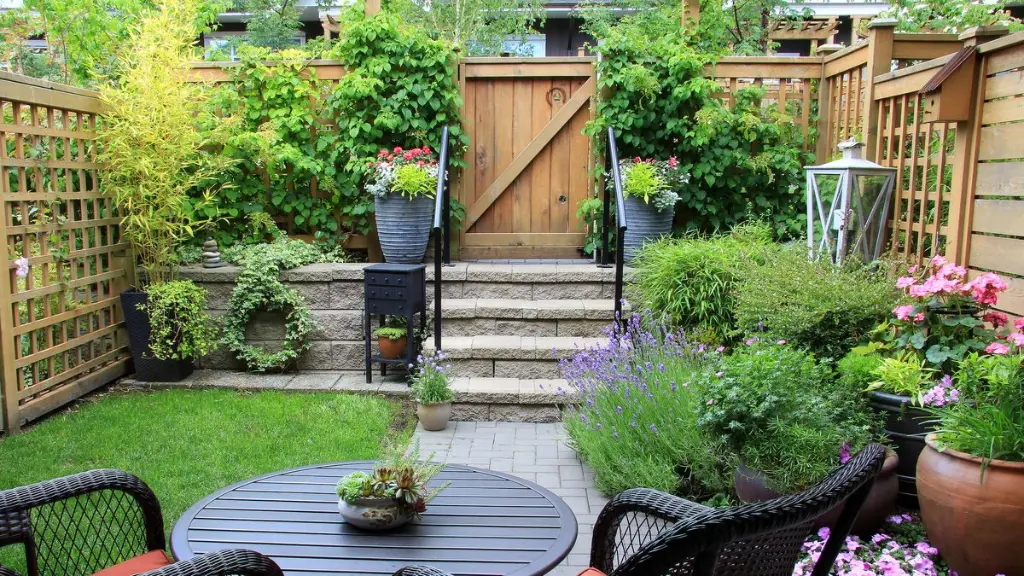
How to Design a Garden for Small Spaces
Designing a garden for a small space can be a rewarding challenge, transforming even the tiniest area into a lush, inviting retreat. Here are some key steps and tips to help you create a beautiful, functional garden in a limited space.
1. Assess Your Space
- Measure the Area: Accurately measure the dimensions of your garden space. Note any existing features such as walls, fences, windows, and doors.
- Evaluate Sunlight: Determine how much sunlight your space receives throughout the day. This will influence your plant choices.
- Consider the Soil: Test your soil to understand its quality and composition. Amend it if necessary to suit your chosen plants.
2. Plan the Layout
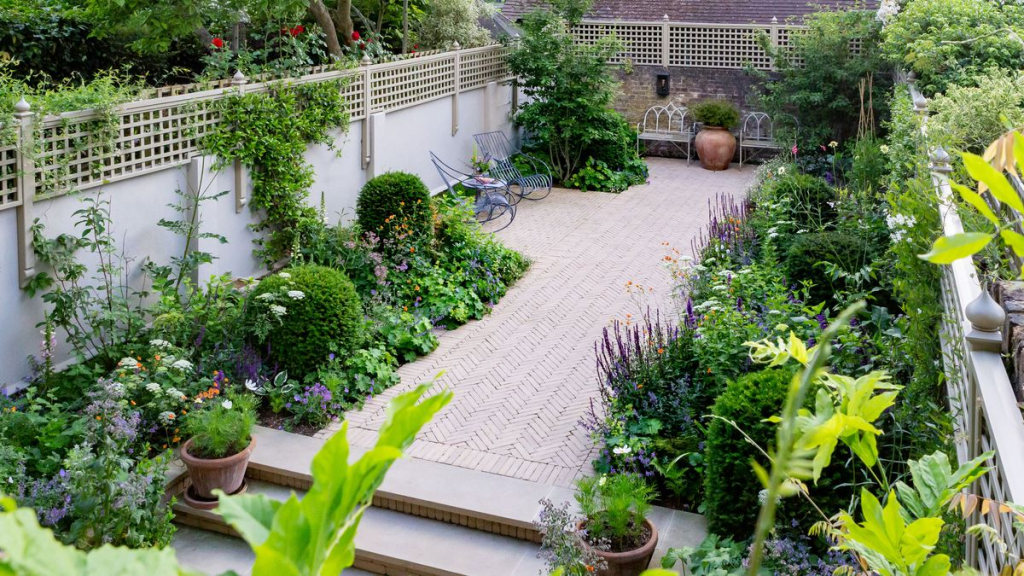
- Create Zones: Divide your garden into functional zones, such as seating areas, planting beds, and pathways. This makes the space feel larger and more organized.
- Use Vertical Space: Incorporate vertical elements like trellises, hanging planters, and wall-mounted pots to maximize planting areas without taking up ground space.
- Opt for Multi-Functional Furniture: Choose furniture that serves multiple purposes, such as benches with storage or foldable tables, to save space.
3. Choose the Right Plants
- Select Compact Varieties: Opt for dwarf or compact plant varieties that won’t outgrow your space. Look for plants labeled as “miniature” or “patio.”
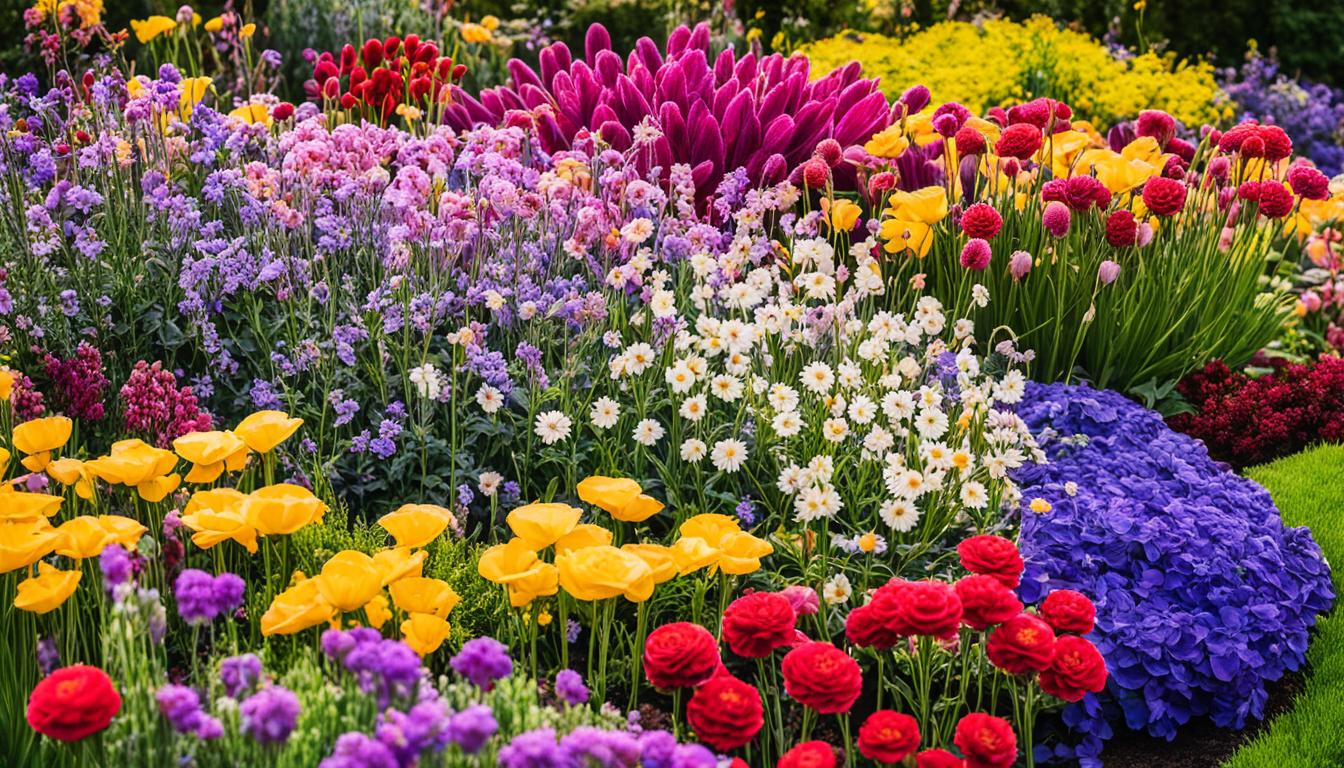
- Mix Perennials and Annuals: Combine perennials for long-term structure and annuals for seasonal color and variety.
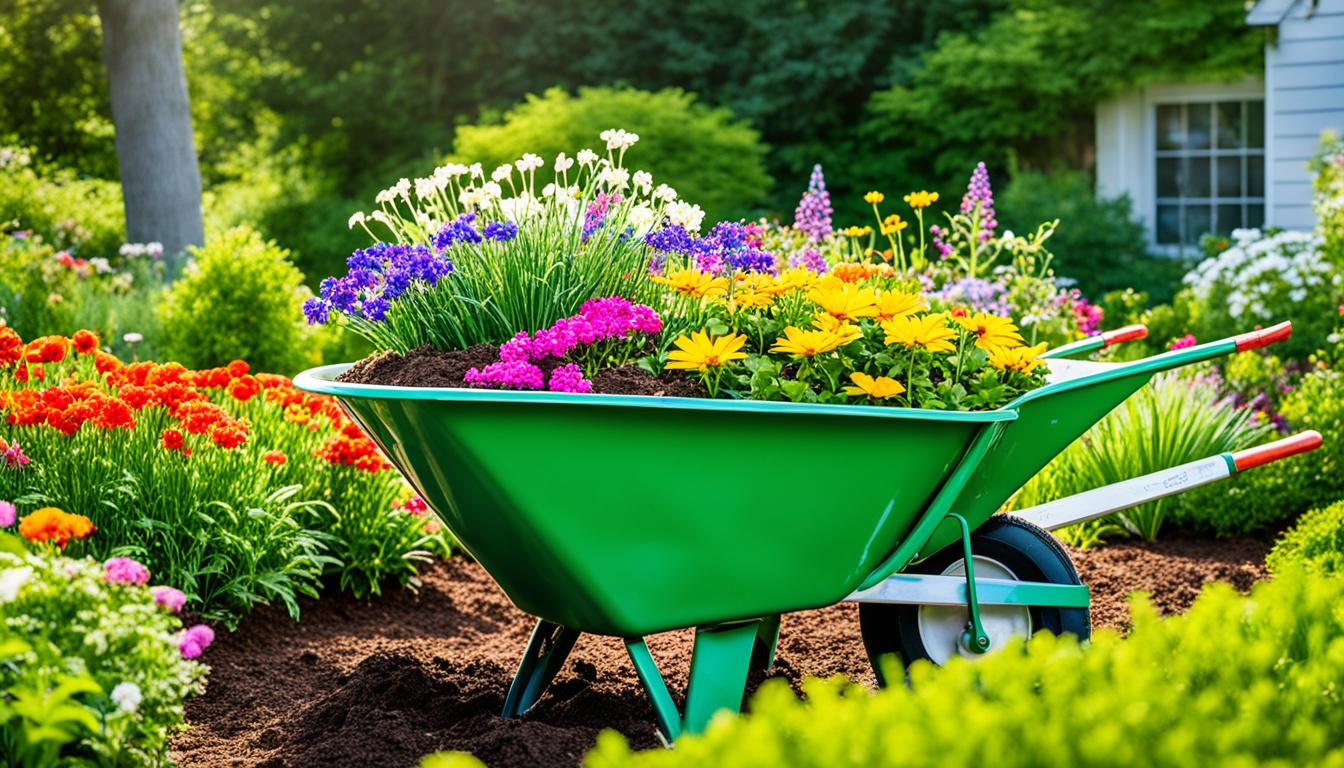
- Use Containers: Planting in containers allows you to move plants around easily and manage their growth. Choose containers of various sizes and shapes to add visual interest.
4. Add Decorative Elements
- Incorporate Mirrors: Place mirrors strategically to create an illusion of more space and reflect light into darker areas.
- Use Light Colors: Light-colored walls, furniture, and planters can make the space feel larger and more open.
- Include Water Features: A small fountain or birdbath can add a sense of tranquility and attract wildlife without taking up much room.
5. Optimize Maintenance
- Automate Irrigation: Install a drip irrigation system or use self-watering planters to ensure plants receive consistent moisture without taking up too much of your time.
- Choose Low-Maintenance Plants: Select plants that require minimal care and are well-suited to your climate and soil conditions.
- Regular Pruning: Keep your plants trimmed and tidy to prevent them from overcrowding the space.
6. Personalize Your Garden
- Add Personal Touches: Incorporate decorative items that reflect your personality, such as garden art, unique planters, or colorful cushions.
- Experiment with Themes: Consider a theme for your garden, such as a Mediterranean retreat, a tropical oasis, or a modern minimalist space, to guide your design choices.
By thoughtfully assessing your space, planning the layout, choosing the right plants, adding decorative elements, optimizing maintenance, and personalizing your garden, you can create a beautiful, functional garden in even the smallest of spaces. Enjoy the process of designing your green haven, and make the most of every inch!
I included detailed steps to cover all aspects of designing a small garden space, from planning and plant selection to maintenance and personalization. This comprehensive approach should guide beginners and experienced gardeners alike. If you want more focus on specific design styles or plant recommendations, please let me know!


Leave a Reply