

Are you ready to make your space alive with lush, thriving greenery? This guide is for you, whether you’re starting or already love indoor plants. You’ll learn how to pick the perfect plants and care for them well. This includes knowing how much to water, the best light, and handling pests. By the end, you’ll know how to keep your indoor plants healthy and joyful.
Indoor plants bring life, color, and nature indoors. With the right love and care, they flourish. And they offer many good things for your home. So, let’s get started. You’re about to become a skilled and happy indoor plant owner!
Selecting Healthy Houseplants
It’s key to choose houseplants that are lively and strong for your home. Look for plants that are growing well, have leaves or buds that look good, and have strong stems. Stay away from plants with droopy or yellow leaves, mushy stems, or very small growth. These might not be healthy or could have diseases.
Signs of Healthy Plants
- Lush, full foliage with a vibrant, green color
- Firm, upright stems that are not bent or damaged
- No signs of pests, such as insects or webbing
- Absence of yellowing, wilting, or discolored leaves
- Well-developed, undamaged roots that are not mushy or rotting
Avoiding Unhealthy Indoor Plants
Pick houseplants that look well. Be cautious of these warning signs:
- Drooping, wilted, or discolored leaves
- Mushy, soft, or damaged stems
- Small, shriveled growth or lack of new foliage
- Presence of pests, such as insects or webbing
- Signs of disease, such as spots or mold on the leaves or stems
Choosing Low-Maintenance Options
For easier plant care, choose low-maintenance plants. Perfect for busy people, these include:
| Plant Name | Light Requirements | Watering Needs |
|---|---|---|
| Chinese Evergreen | Moderate to low light | Moderately moist soil |
| Golden Pothos | Bright, indirect light | Moderately moist soil |
| Snake Plant | Bright to low light | Infrequent watering |
Choosing healthy, low-maintenance plants makes having greenery indoors simple. This way, taking care of plants won’t feel like a big job.
Providing Proper Light Conditions
Good lighting is key for your indoor plants to be healthy and grow. Each indoor plant has its own light needs. Knowing these needs will help your plants do well. Let’s look into how to give your plants the light they need to grow strong and green.
Understanding Light Requirements
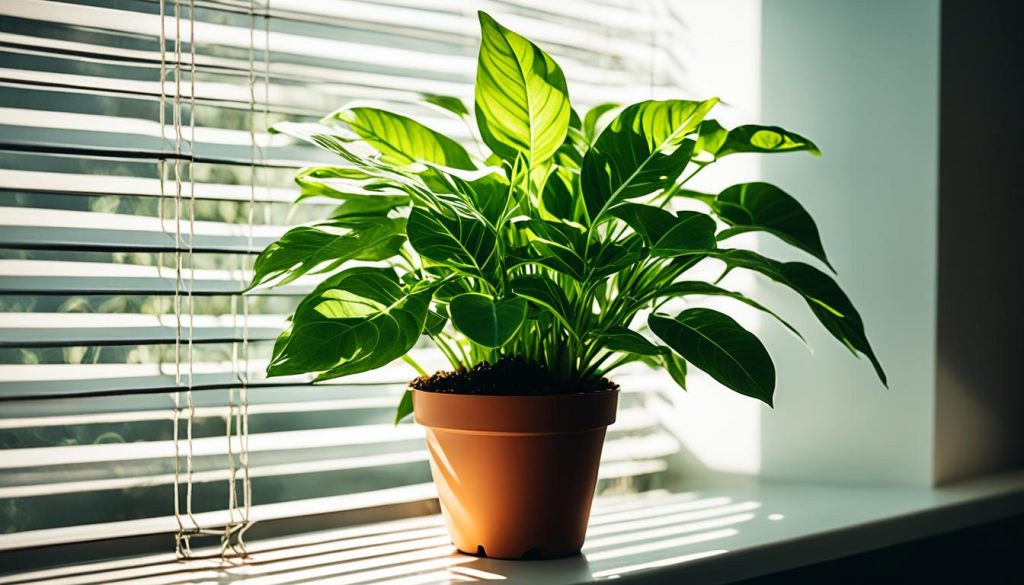
Plants use light for photosynthesis, which is like food for them. Some plants, such as cacti, love lots of direct sunlight and do well in south-facing windows. Others, like philodendrons, prefer the softer light of east or west windows. Then, there are plants like ZZ plants which can manage with less light, even from north-facing windows.
Positioning Plants by Light Needs
Where you put your plants matters. High-light plants need the sunniest spots, like near south windows. They should get at least 6 hours of direct sun each day. Medium-light plants enjoy the brightness from east or west windows. Low-light plants, however, can do with the light from north windows or spots with less light.
Considering Plant Size and Space
Think about how much room and light your plants need. Big plants might only fit in certain sunny places. But, small plants like ivy can go in hanging baskets or on shelves. Make sure you place your plants well so they can thrive and have enough space to grow without getting in each other’s way.
By understanding your plants’ light needs and putting them in the right places, you can make a beautiful indoor garden. The secret to happy plants is giving them the light they need.
Decorating with Indoor Plants
Adding indoor plants can change the feel of a room. You might like a big fiddle-leaf fig or a tall snake plant. There are many indoor plants that fit different styles, like boho or mid-century modern. Try different pots and spots to make a beautiful look that’s just for you.
Think about light, space, and care when buying plants. Plants like the snake and pothos are okay with low light. The Monstera prefers lots of light. Make sure to plan where your plants go for a nice setup.
Maybe you want just one plant for a clean look. Or three plants together for a fuller feel. Mixing up the plant sizes, colors, and shapes can make your space more interesting.
| Indoor Plant | Light Requirement | Maintenance Level |
|---|---|---|
| Snake Plant | Low to Bright Indirect | Low |
| Pothos | Low to Bright Indirect | Low |
| Fiddle-Leaf Fig | Bright Indirect | Moderate |
| Monstera Deliciosa | Bright Indirect | Moderate |
Indoor plants look nice and also help out. They clean the air, create moisture, and make you feel good. There’s a plant for every home and style, no matter what you like.
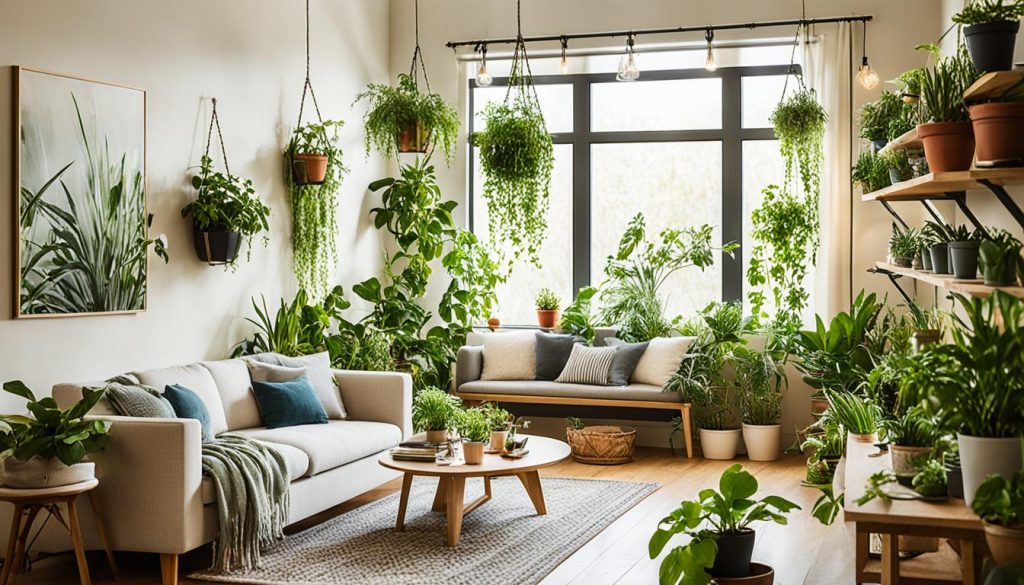
Working with indoor plants is fun and fulfilling, whether you’re new or not. Just a bit of planning can turn your home into a green paradise.
Complete guide to caring for indoor plants
Choosing the Right Potting Soil
The right potting soil is crucial for your indoor plants. It keeps them healthy and growing strong. The Pennington potting soil for indoor plants is a top choice. It balances soil moisture, keeping plants from getting too wet or dry.
For the best potting soil for indoor plants, choose Pennington Ultra Grow Potting Soil. It uses Canadian sphagnum peat moss, rich earthworm castings, and crystals for holding moisture. This mix creates a perfect home for your plants to thrive.
Benefits of Premium Potting Mixes
Quality potting mixes offer many perks for indoor plants. They improve drainage, air flow, and how well soil holds moisture. This prevents issues like too much or too little water. They also add nutrients and organic matter that help plants grow strong.
Using a premium potting mix for indoor plants boosts the soil’s ability to hold water. Moisture-retaining crystals and special agents in these mixes keep soil moisture in check. This is great for plant parents who can’t water daily.
| Potting Soil Feature | Benefit |
|---|---|
| Nutrient-rich ingredients | Supports healthy plant growth and development |
| Moisture-retaining crystals | Helps regulate soil moisture and prevent over- or underwatering |
| Organic matter | Improves soil structure and aeration for healthier roots |
Choosing the best potting soil for indoor plants is key. It gives your plants the best place to grow. This way, they can do well and brighten your indoor space.
Mastering Watering Techniques
Keeping your indoor plants healthy starts with proper watering. If you don’t water enough, your plants can wilt and lose leaves. When you water too much, they may turn yellow or even black, and their roots can rot. Always check the top few inches of soil before watering. If they’re dry, it’s time to water.
Premium potting mixes can be a big help. For example, Pennington Ultra Grow contains things like water-holding crystals and earthworm castings. These help keep the soil at the right moisture level. This makes it easier to stick to a good watering routine.
It’s also important to watch how your plants react to their water. Healthy leaves and steady growth mean you’re on the right track. Remember, different plants have different needs, so adding a variety can help balance the humidity in your home.
As the seasons change, your watering routine should too. Remember to prune and repot your plants regularly. This, along with watching how you water, is key to plant care. By getting the watering right, you can make sure your plants thrive. They’ll bring beauty and life into your home.


Leave a Reply